

Reinventing Yourself After a Major Life Change: A Strategic Roadmap
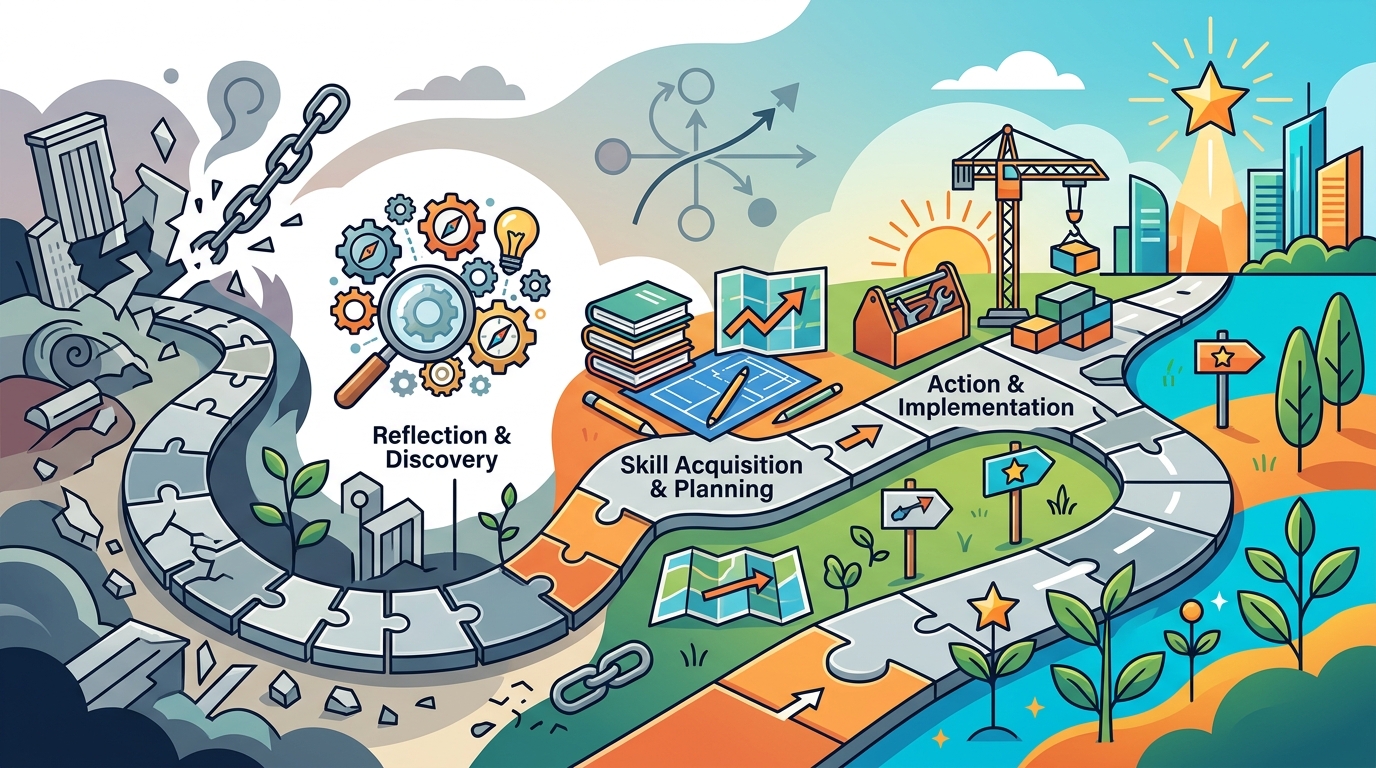
Major life transitions, such as career shifts, relocation, or personal loss, often trigger a profound need for identity reconstruction. According to recent psychological studies on adult development, approximately 60% of individuals experience a significant identity crisis following a major life event, highlighting the universal nature of this challenge. Navigating this terrain requires more than just optimism; it demands a structured approach to self-discovery and practical implementation. This guide provides the essential framework for rebuilding your life with intention, clarity, and sustainable momentum.
Assessing Your Current State
Before you can build a new future, you must honestly evaluate your present reality. Reinvention is not about escaping your past but integrating it into a new narrative. This phase involves a deep audit of your skills, values, and emotional baseline.
Identifying Core Values
Core values are the fundamental beliefs that guide your behavior and decision-making. When life changes, old values may no longer serve you. Values clarification is the process of identifying what truly matters to you now, rather than what mattered to you before. Take time to reflect on moments when you felt most alive and fulfilled. What common threads exist? Are they related to creativity, autonomy, connection, or security? Writing these down creates a compass for your next steps.
Evaluating Skills and Assets
Conduct a realistic inventory of your transferable skills. Whether you are changing careers or starting over financially, your existing expertise is a valuable asset. A skills audit helps you recognize hidden strengths that can be repurposed in new contexts. List your hard skills, such as technical abilities, and soft skills, like communication or leadership. This inventory will reveal opportunities you might otherwise overlook.
Defining Your New Identity
Reinvention requires a clear vision of who you want to become. This is not about creating a fake persona but uncovering the potential that has been dormant. Clarity reduces anxiety and provides direction.
Setting Intentional Goals
Goals provide the milestones for your journey. They should be specific, measurable, and aligned with your newly identified values. Goal setting is the practice of defining clear, actionable outcomes that guide your daily behavior toward a desired future state. Use the SMART framework (Specific, Measurable, Achievable, Relevant, Time-bound) to structure your objectives. For example, instead of saying "I want to be healthier," set a goal to "walk 30 minutes a day, five days a week."
Visualizing the Outcome
Mental rehearsal is a powerful tool for neural adaptation. Visualize your ideal day in vivid detail. What are you doing? Who are you with? How do you feel? This practice primes your brain to recognize opportunities that align with your vision. Visualization is the cognitive technique of creating mental images of desired outcomes to enhance motivation and performance. Regular visualization helps bridge the gap between where you are and where you want to be.
Building a Support System
No one reinvents themselves in isolation. A robust support network provides accountability, encouragement, and diverse perspectives. This network is crucial for maintaining emotional stability during the transition.
Seeking Professional Guidance
Professional coaches or therapists can provide objective insights and structured frameworks for change. They help you navigate blind spots and accelerate your growth. Professional coaching is a collaborative process that empowers individuals to maximize their personal and professional potential. Look for coaches who specialize in career transitions or life design. Their expertise can save you time and prevent common pitfalls.
Connecting with Peers
Join communities of like-minded individuals who are also undergoing change. Shared experiences foster empathy and practical advice. Peer networking is the strategic building of relationships with others who share similar goals or challenges to exchange knowledge and support. Attend local meetups, online forums, or industry groups. These connections can lead to mentorships, job opportunities, and lasting friendships.
Practical Steps for Transition
With a clear vision and support system in place, it is time to take action. This phase involves making tangible changes to your environment, habits, and routines.
Designing Your Daily Routine
Your daily habits shape your identity. Start by designing a routine that supports your new goals. Routine design is the intentional structuring of daily activities to align with long-term objectives and optimize productivity. Include time for learning, networking, and self-care. Consistency is key. Small, daily actions compound over time to create significant transformation.
Managing Financial Resources
Financial stress can derail even the best-laid plans. Create a budget that accounts for the costs of reinvention, such as education, networking, or temporary income gaps. Financial planning is the process of managing money to meet life goals and ensure economic security during periods of change. Consider building an emergency fund to provide a safety net. Explore side hustles or freelance opportunities to generate additional income while you transition.
Embracing Continuous Learning
Reinvention often requires acquiring new skills. Commit to lifelong learning through courses, books, and workshops. Continuous learning is the ongoing, voluntary, and self-motivated pursuit of knowledge for personal or professional development. Stay curious and open to new ideas. This mindset will keep you adaptable and resilient in a rapidly changing world.
Maintaining Momentum
The journey of reinvention is rarely linear. There will be setbacks and moments of doubt. Maintaining momentum requires resilience and self-compassion.
Handling Setbacks
View setbacks as learning opportunities rather than failures. Analyze what went wrong and adjust your strategy. Resilience is the capacity to recover quickly from difficulties and adapt to change. Practice self-compassion by treating yourself with the same kindness you would offer a friend. Remember that progress is not always visible in the short term.
Celebrating Small Wins
Acknowledge and celebrate your progress, no matter how small. This reinforces positive behavior and boosts motivation. Positive reinforcement is the process of encouraging desired behaviors by providing rewards or recognition. Keep a journal of your achievements. Reflect on how far you have come. This practice helps maintain a positive outlook and sustains your drive.
Key Takeaways
- Identity Reconstruction: Reinvention is a structured process of integrating past experiences into a new, intentional narrative.
- Values Alignment: Regularly audit your core values to ensure your goals reflect your current priorities, not just past conditioning.
- Support Networks: Engage professional coaches and peer groups to gain objective insights and emotional stability.
- Financial Preparedness: Create a robust budget and emergency fund to mitigate stress during the transition period.
- Consistent Habits: Design daily routines that support your new identity, leveraging the power of compounding small actions.
- Resilience Building: View setbacks as data points for adjustment, not reasons for surrender.
- Continuous Learning: Commit to acquiring new skills and knowledge to remain adaptable and competitive.
Frequently Asked Questions
How long does it typically take to reinvent yourself?
The timeline varies significantly based on the scope of change and individual circumstances. However, most experts suggest that significant identity shifts take between 6 to 18 months to fully integrate. Identity integration is the gradual process of adopting new beliefs and behaviors as part of your self-concept. Patience and consistency are more important than speed.
What if I feel lost and don't know what I want?
It is normal to feel lost during a transition. Start by exploring small interests without commitment. Exploratory behavior is the act of trying new activities to discover personal preferences and potential paths. Journaling, meditation, and talking to mentors can also provide clarity. Focus on what you do not want, as this can help narrow down your options.
How do I handle fear of failure during reinvention?
Fear is a natural response to the unknown. Reframe failure as feedback. Cognitive reframing is the psychological technique of changing the way you interpret a situation to alter its emotional impact. Break large goals into smaller, manageable steps to reduce overwhelm. Celebrate effort rather than just outcomes.
Is it necessary to quit my job to reinvent myself?
Not necessarily. Many people reinvent themselves while maintaining their current employment. Parallel transition is the strategy of pursuing new goals while retaining existing responsibilities to reduce risk. Use your evenings and weekends to explore new interests and build skills. This approach allows for a smoother, less financially stressful transition.
How can I stay motivated when progress seems slow?
Focus on the process, not just the result. Process orientation is the practice of valuing the daily actions and habits over the immediate outcome. Track your progress in a journal. Connect with your "why" by reminding yourself of the deeper purpose behind your reinvention. Surround yourself with supportive people who encourage your journey.
What role does mindfulness play in reinvention?
Mindfulness helps you stay present and reduces anxiety about the future. Mindfulness is the mental state of paying attention to the present moment non-judgmentally. It allows you to observe your thoughts and emotions without being overwhelmed by them. This clarity enables more deliberate and effective decision-making.
Can I reinvent myself without financial resources?
Yes, many aspects of reinvention are free. Focus on mindset shifts, networking, and free learning resources. Resourcefulness is the ability to find quick and clever ways to overcome difficulties, often with limited means. Utilize public libraries, online courses, and community groups. Your creativity and determination are your most valuable assets.
Start Your Journey Today
Reinventing yourself is a courageous and rewarding endeavor. It requires honesty, planning, and persistence. By following the steps outlined in this guide, you can navigate your transition with confidence and purpose. If you need personalized guidance or professional support to help you design your new path, visit our home page to learn more about our services. We are here to help you build a future that aligns with your true self. Explore our design services to see how we can assist you in crafting a compelling personal brand. Contact our contract sales team to discuss your specific needs and goals. Read our customer experience stories to see how others have successfully navigated their transitions. Check our FAQ for more detailed answers to common questions.