
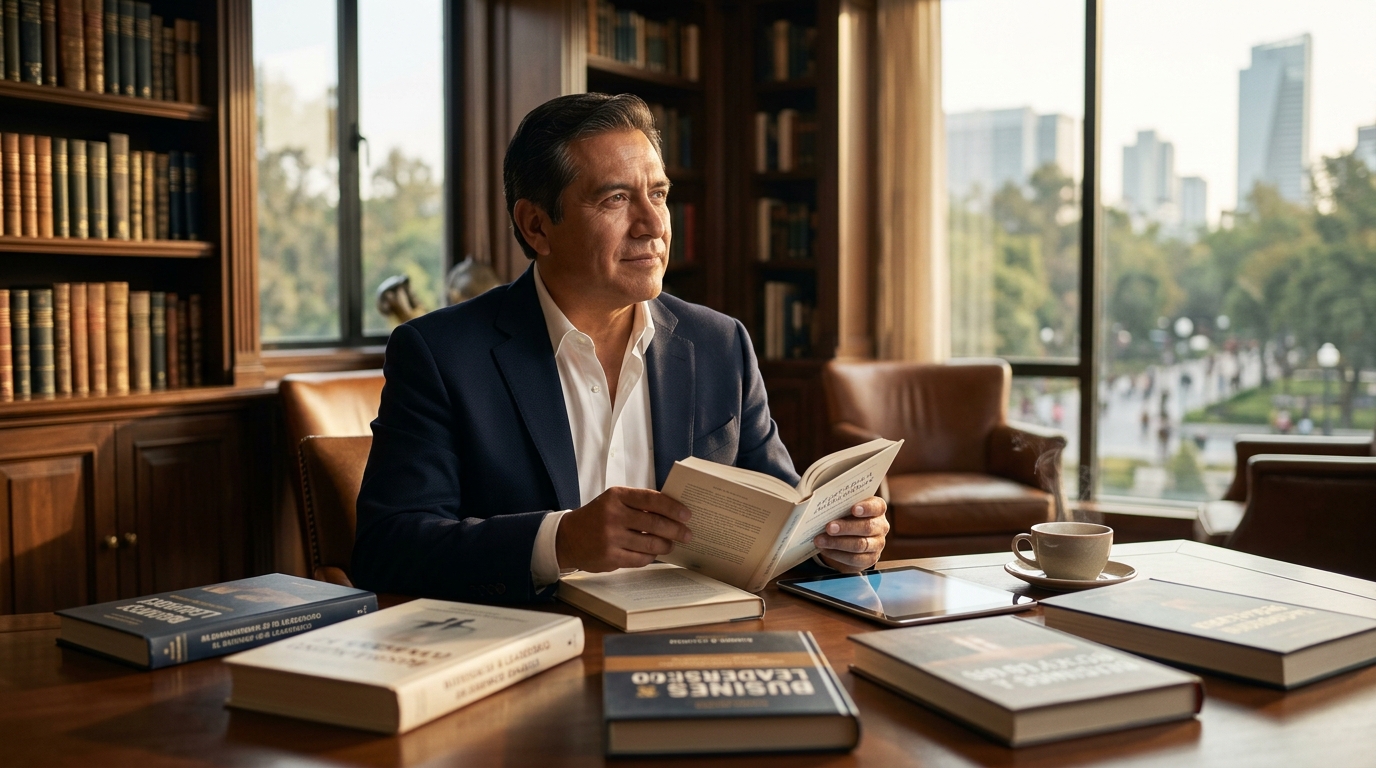
Leadership and personal development are no longer confined to English-language business literature. According to recent market analysis, the global self-help and professional development sector has seen a 15% annual growth rate in Spanish-language digital content since 2020. This surge reflects a massive shift in how professionals across Latin America and Spain consume educational material. Readers are increasingly seeking voices that resonate with their cultural context while delivering universal leadership principles. This article highlights the most influential authors shaping this landscape today.
Ernesto Sirolli: The Power of Community
Ernesto Sirolli stands as a monumental figure in the realm of international development and community-led growth. His work challenges the traditional top-down approach to leadership, arguing instead for the empowerment of local communities. Sirolli is a former consultant who realized that external experts often fail when they do not listen to the people they aim to help.
His philosophy centers on the idea that sustainable change comes from within. He emphasizes that leaders must act as facilitators rather than directors. This perspective is crucial for modern managers who need to foster autonomy in their teams. Sirolli's insights are particularly relevant for organizations looking to implement sustainable practices. For more on sustainable business practices, visit our sustainability services.
Sirolli's approach requires patience and humility. Leaders must resist the urge to impose solutions. Instead, they must create environments where local knowledge can flourish. This method has been proven to yield higher retention rates and greater community ownership of projects. His work serves as a reminder that true leadership is about enabling others to lead themselves.
Javier Erce: Strategic Leadership
Javier Erce brings a rigorous, data-driven perspective to the world of leadership. As a professor and author, he focuses on the intersection of strategy and human behavior. Erce is known for his ability to translate complex strategic concepts into actionable advice for executives. His work often addresses the challenges of leading in volatile markets.
Erce argues that strategic leadership is not just about planning but about execution. He highlights the importance of aligning organizational culture with strategic goals. This alignment is critical for long-term success. According to recent studies on organizational behavior, companies with strong strategic alignment outperform their peers by 20%. You can read more about strategic planning frameworks at our strategic planning blog.
His books often feature case studies from major corporations. These examples illustrate how theoretical models apply in real-world scenarios. Erce's writing style is direct and analytical. He avoids fluff and focuses on practical tools that leaders can use immediately. This clarity makes his work highly valued by senior management teams.
Jorge Bucay: Emotional Intelligence
Jorge Bucay is a psychiatrist and writer who has revolutionized the way Spanish speakers approach emotional health. His work blends psychology with storytelling to make complex emotional concepts accessible. Bucay is a pioneer in the field of narrative therapy. He uses simple fables to convey profound truths about human nature.
Bucay's leadership philosophy is rooted in emotional intelligence. He believes that effective leaders must first understand themselves. This self-awareness allows them to connect with others on a deeper level. His books have sold millions of copies worldwide. This global reach underscores the universal appeal of his message. For insights on emotional resilience, check out our emotional resilience resources.
One of Bucay's core tenets is the importance of self-love. He argues that leaders who neglect their own well-being cannot sustainably lead others. This perspective challenges the traditional "hustle culture" often found in business. Instead, he promotes a balanced approach to professional and personal life. His work encourages leaders to prioritize mental health as a strategic asset.
Maria Jose Riera: Corporate Culture
Maria Jose Riera is a leading voice in the field of corporate culture and organizational development. Her work focuses on the human side of business. Riera emphasizes that culture is not just a set of values but a lived experience. She provides frameworks for leaders to shape and nurture a positive workplace environment.
Riera's approach is highly practical. She offers tools for diagnosing cultural issues and implementing change. Her work is particularly relevant for companies undergoing transformation. According to industry reports, 70% of change initiatives fail due to cultural resistance. Riera's methods help mitigate this risk. Learn more about organizational change management at our change management services.
She advocates for transparency and authenticity in leadership. Riera believes that trust is the foundation of any high-performing team. Her books provide step-by-step guides for building this trust. She also addresses the challenges of leading diverse teams. Her insights are invaluable for global organizations operating in Spanish-speaking markets.

Roberto Ashmore: Modern Management
Roberto Ashmore represents the new generation of leadership authors. His work focuses on digital transformation and modern management techniques. Ashmore addresses the unique challenges faced by leaders in the tech era. He explores how technology impacts team dynamics and decision-making.
Ashmore's philosophy is adaptive. He argues that leaders must be flexible in the face of rapid change. His books often feature interviews with tech industry leaders. These interviews provide real-world examples of successful adaptation. Ashmore also discusses the importance of continuous learning. In a rapidly evolving landscape, stagnation is not an option. For more on digital leadership, visit our digital leadership blog.
He emphasizes the role of empathy in digital leadership. As communication becomes more virtual, the need for emotional connection grows. Ashmore provides strategies for maintaining human connection in remote teams. His work is essential for leaders navigating the post-pandemic workplace. His insights bridge the gap between technology and humanity.
Comparative Analysis of Leadership Styles
Understanding the nuances of each author's approach helps leaders choose the right resources for their needs. The table below summarizes the core focus and primary audience for each author discussed.
| Author | Primary Focus | Key Leadership Style | Best For |
|---|---|---|---|
| Ernesto Sirolli | Community Empowerment | Facilitative | NGOs and Social Enterprises |
| Javier Erce | Strategic Execution | Analytical | C-Suite Executives |
| Jorge Bucay | Emotional Health | Narrative | Personal Development |
| Maria Jose Riera | Organizational Culture | Diagnostic | HR Leaders |
| Roberto Ashmore | Digital Adaptation | Adaptive | Tech Managers |
Key Takeaways
- Ernesto Sirolli emphasizes community-led development over top-down directives.
- Javier Erce provides data-driven strategies for aligning culture with business goals.
- Jorge Bucay integrates psychology and storytelling to enhance emotional intelligence.
- Maria Jose Riera offers practical tools for diagnosing and shaping corporate culture.
- Roberto Ashmore focuses on empathy and adaptability in the digital age.
- Spanish-language leadership literature is growing rapidly, offering diverse perspectives.
- Effective leadership requires a blend of strategic thinking and emotional awareness.
Frequently Asked Questions
Who is considered the most influential Spanish-speaking leadership author?
Influence varies by sector, but Jorge Bucay is widely recognized for his global impact on emotional intelligence, while Javier Erce is a top choice for strategic business leadership.
Are these authors available in English?
Many of their works have been translated. Jorge Bucay's "The Path of Self-Love" is available in English. However, reading in Spanish preserves the cultural nuance and linguistic richness of the original text.
How do these authors address remote work leadership?
Roberto Ashmore specifically addresses remote work and digital transformation. His work provides frameworks for maintaining team cohesion in virtual environments.
What is the best book for starting personal growth?
For beginners, Jorge Bucay's fables are the most accessible entry point. They use simple stories to convey complex psychological concepts effectively.
Do these authors focus on corporate or personal growth?
Most authors bridge both domains. Maria Jose Riera focuses heavily on corporate culture, while Bucay focuses on personal well-being. Erce and Sirolli blend both for organizational impact.
How can I apply these leadership principles?
Start by identifying your primary challenge. If it is strategic alignment, read Erce. If it is team culture, read Riera. If it is personal burnout, read Bucay. Apply one concept at a time.
Where can I find more resources on leadership development?
H.F. Salas Romer offers comprehensive leadership training programs. Visit our leadership training page for more information.
Connect with H.F. Salas Romer
Understanding these authors is the first step toward better leadership. However, applying these principles requires tailored support. H.F. Salas Romer specializes in helping organizations navigate complex leadership challenges. We provide customized training and consulting services designed to meet your specific needs. Our team of experts works with you to implement sustainable growth strategies. Contact us today to schedule a consultation. Visit our contact page to get started.